History
A journey through more than a century
A Timeline
A short timeline of the absorbing history of Villa Dworski, Pećine 3, Sušak. Made available to us through our collection of family stories, photographs, letters and old documents.
Giovanni Maria Curet builds a new villa.
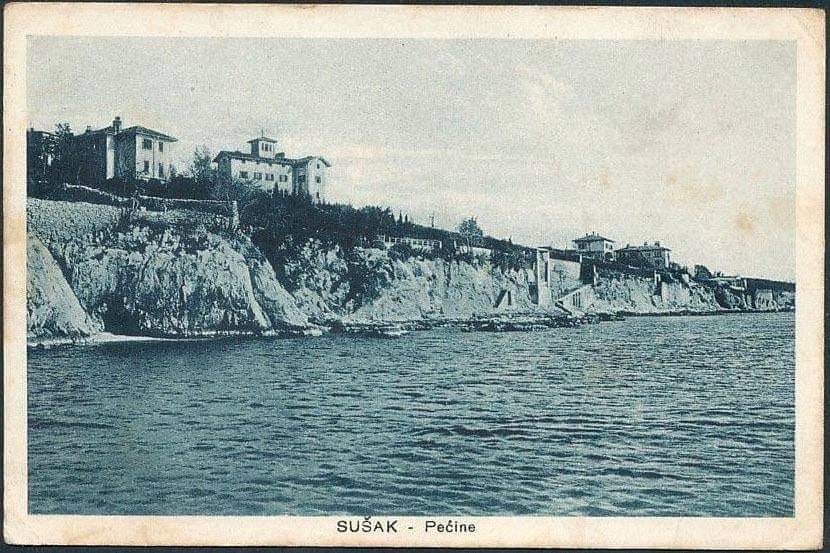
The story begins in 1906 when Giovanni Maria Curet, prominent Rijeka architect, with his wife Natalija née Weber, bought this parcel of land* in the area then described as Grčevo u Zagore. A Mr Vinko Chiccio of ‘Rieka’ sold them a house with a well, arable land, vineyards, pastures and a path to the sea. Natalija was registered as the owner.
* Formerly also known as Kuća br. 197 Grčevo u Zagore, and Pećine 6.
It was on this land overlooking the sea that Curet built the splendid present villa with its typically Secessionist decorative elements and eye-catching tower. The house consisted of three apartments looking out over three garden terraces and was initially envisaged as a personal summer home but possibly also a speculative venture.
Whitehead’s Albert Eduard (Edward) Jones assists.
It seems that some years later financial assistance was needed for the project and Albert Eduard Jones, Welshman, and director of the world- famous Whitehead’s Torpedo Factory in Rijeka. (Torpedofabrik Whitehead & Comp.) lent money at 6% interest.
In 1916, Mrs Filipina Moravec née Schmolka financed the house.
Eventually, in 1917, the house was sold to Mr Artur Taussig, merchant of Ricca (Rijeka).
Post-war.
These were difficult times; war losses, the collapse of Austria-Hungary and D’Annuzio’s occupation of Fiume (Rijeka) disrupted life both in Rijeka and, the then, separate Sušak. Financial help for the house was needed again and Mr Taussig lost his villa. The history of the house is complicated.
A new family – a new chapter.
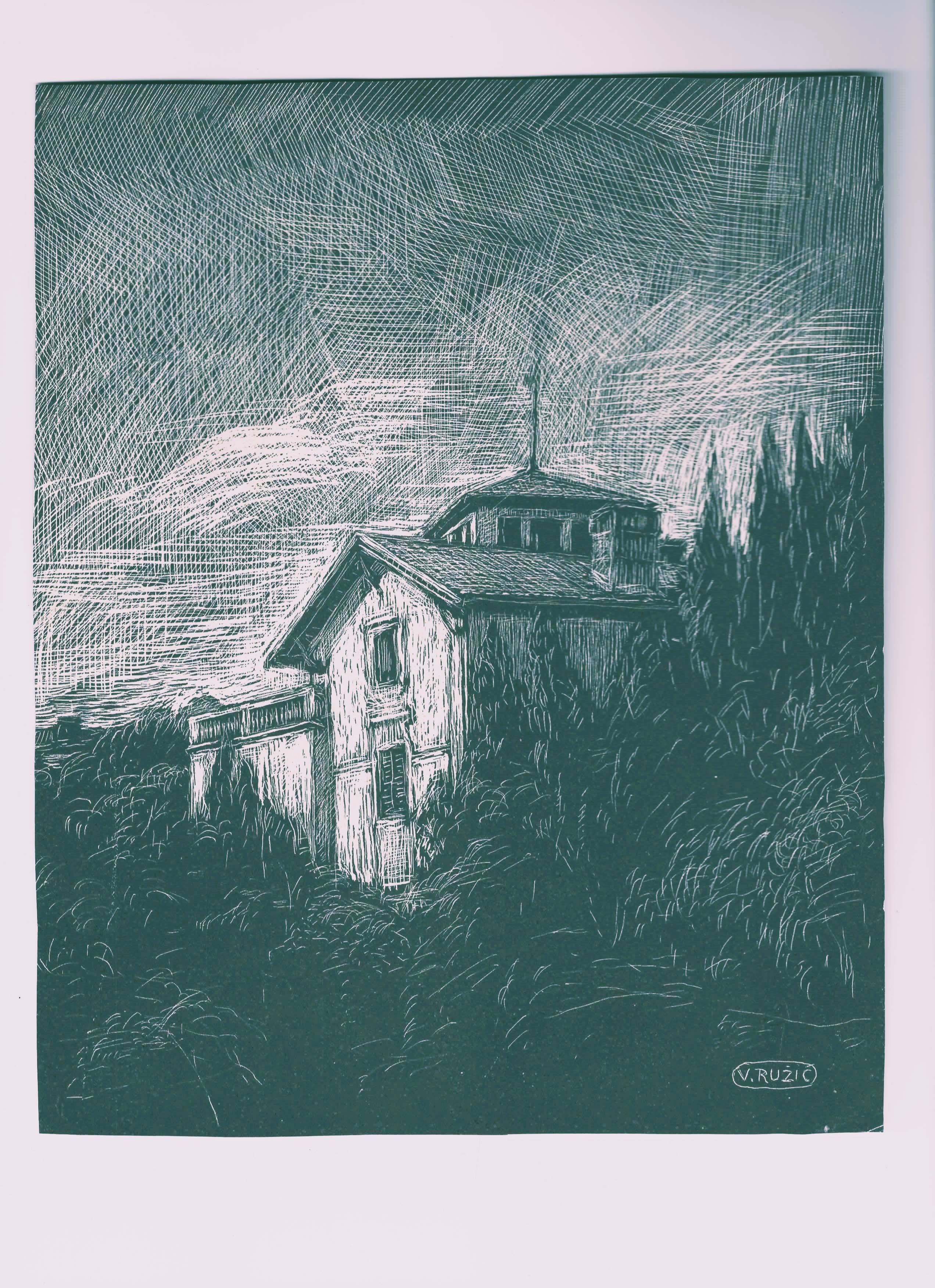
Captain Emanuel von Dworski de Prus and his wife Nada Dworski née Ružić, youngest daughter of Gjuro Ružic and Helena née Badovinac von Badovinski, bought the house. Nada’s parents had both died, they had three young sons and wanted to live directly on the sea. It was time to leave the family houses at Sušak’s Piramida. Nada pl Dworsky née Ruzic was registered as the owner of the house, now named “Villa Dworski”.
Two rooms plus a terrace were added to the centre of the house and a glassed-in veranda a couple of years later.
Honorary Polish Consulate.
Capt. Emanuel von Dworski became honorary Polish Consul, the first in the region, and the house became both a family home and the Honorary Polish Consulate.
Famous and infamous visitors to Villa Dworski included the very eccentric Countess Anna Nugent from Trsat, Admiral Miklós Horthy, Georg von Trapp (latterly of Sound of Music fame), and bishop and politician Dom Luigj Bumçi of Scutari.
Nada’s brothers and sister build villas.
Nada’s older sister Zorka and her husband Dagobert Müller von Thomamuhl had a house built nearby. The architect was David Bunetta, who also designed a country house in Fužina not far from the Ružić family country house, for their brother Gjuro (‘Jurica’), mayor of Sušak.
Villa Ružić
Ban Viktor Ružić, youngest son of Gjuro Ružić, commissioned David Bunetta to build the now well-known Villa Ružić, situated very near the villas of Ban Ružić’s two sisters.
The consulate closes.
The Honorary Polish Consulate ceased to function when Germany invaded Poland.
Italian Occupation.
Emanuel Dworski died. Italy occupied extra territory around Rijeka and Italian officers were billeted in the house. Manio, the oldest son was at sea.
Although Emanuel Snr. was now dead, the house was still known as ‘Polish’. Countess Maria Potocka, key aide to Polish refugees in Crikvenica, alleged intelligence agent and general éminence grise, stayed at the house for an extended period. Many Polish resistance fighters and refugees passed through the doors of the villa.
German Occupation
Italy surrendered and Rijeka was occupied by the Germans. Nada Dworski fostered little Wojtek Zawistowski, wounded and blinded and then hospitalised prior to being transported from Rijeka to Dachau. Wojtek stayed with the family until 1946 and became an important part of its history. He often returned.
Post-war changes – extra families are moved into Villa Dworski.
Post-war, once again, the world order changed. In Tito’s new Yugoslavia, the Ružićs’ many properties were either confiscated or nationalised. Luckily, after the cull, both Villa Dworski and Villa Ružić remained in family hands - although in 1946 other unrelated families were moved in to share these homes. At Villa Dworski, Nada and her sons are confined to the ground floor apartment. The two new families remained in the apartments on the other two floors for some 25 years.
The end of a generation.
Nada died in September 1976, her brother Viktor had died in June that year, her brother Jurica died later in the autumn 1976 and her sister Zorka in the New Year of 1977. All within one year.
The three Dworski brothers divided the house: the eldest brother, another Emanuel or Manio, captain and lawyer, lived permanently on the middle floor. Adam or Adaš the middle brother, ceramic artist, married and living in Great Britain took the ground floor bringing his wife and children to spend every summer to the house. The youngest, another Gjuro, oceanographer, took the top floor but, married and living in the USA, rarely returned.
Open to the public
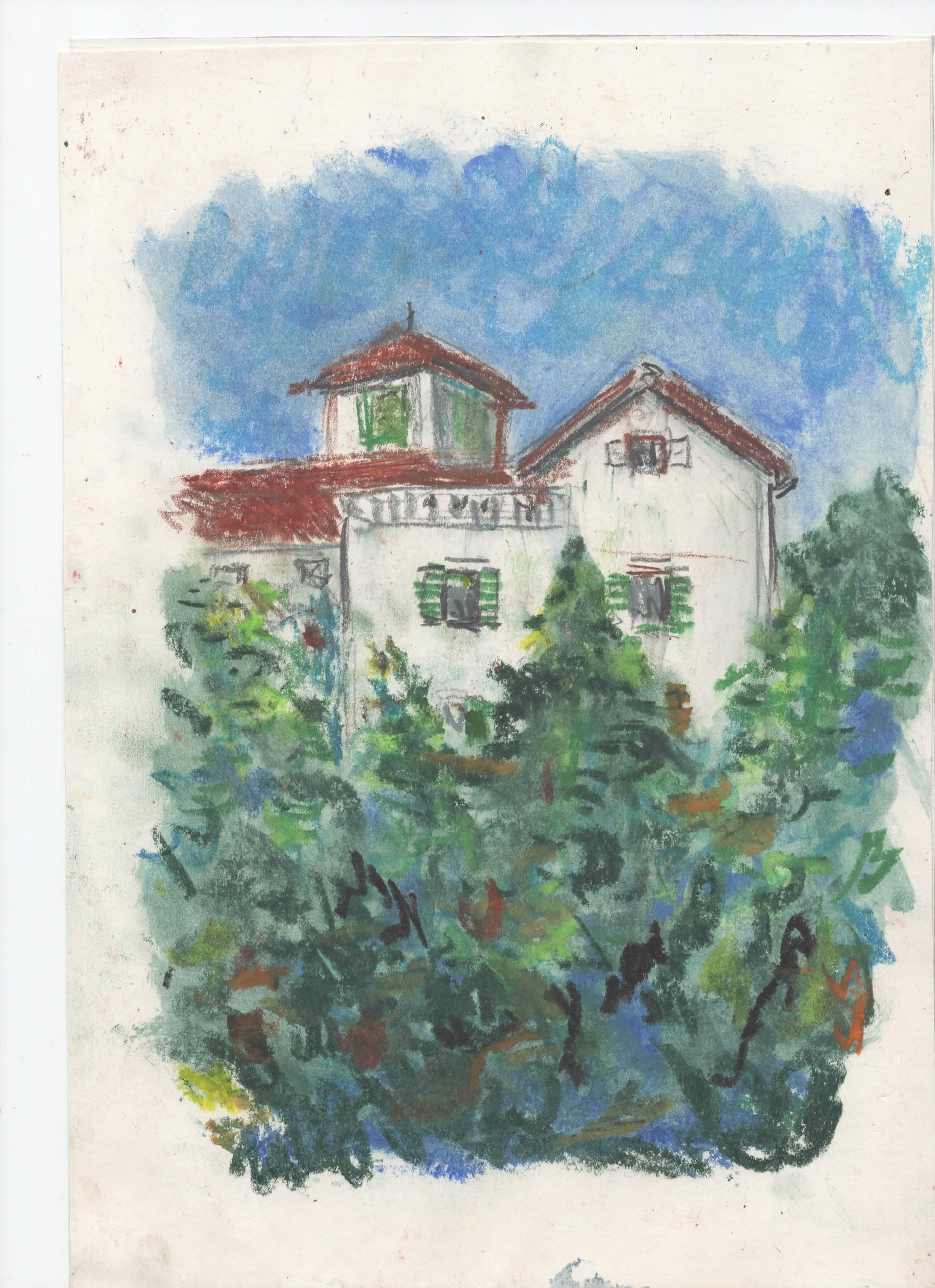
Villa Dworski has been open to public events and private visits for over a decade now.
We are proud to be able to share with others this rich heritage we are lucky enough to have inherited. The house and its archives can always be visited on request.
A Centenary Celebration
Soon we shall be celebrating both a centenary of the Dworski family in Villa Dworski and the arrival of a fifth generation to belong to it.