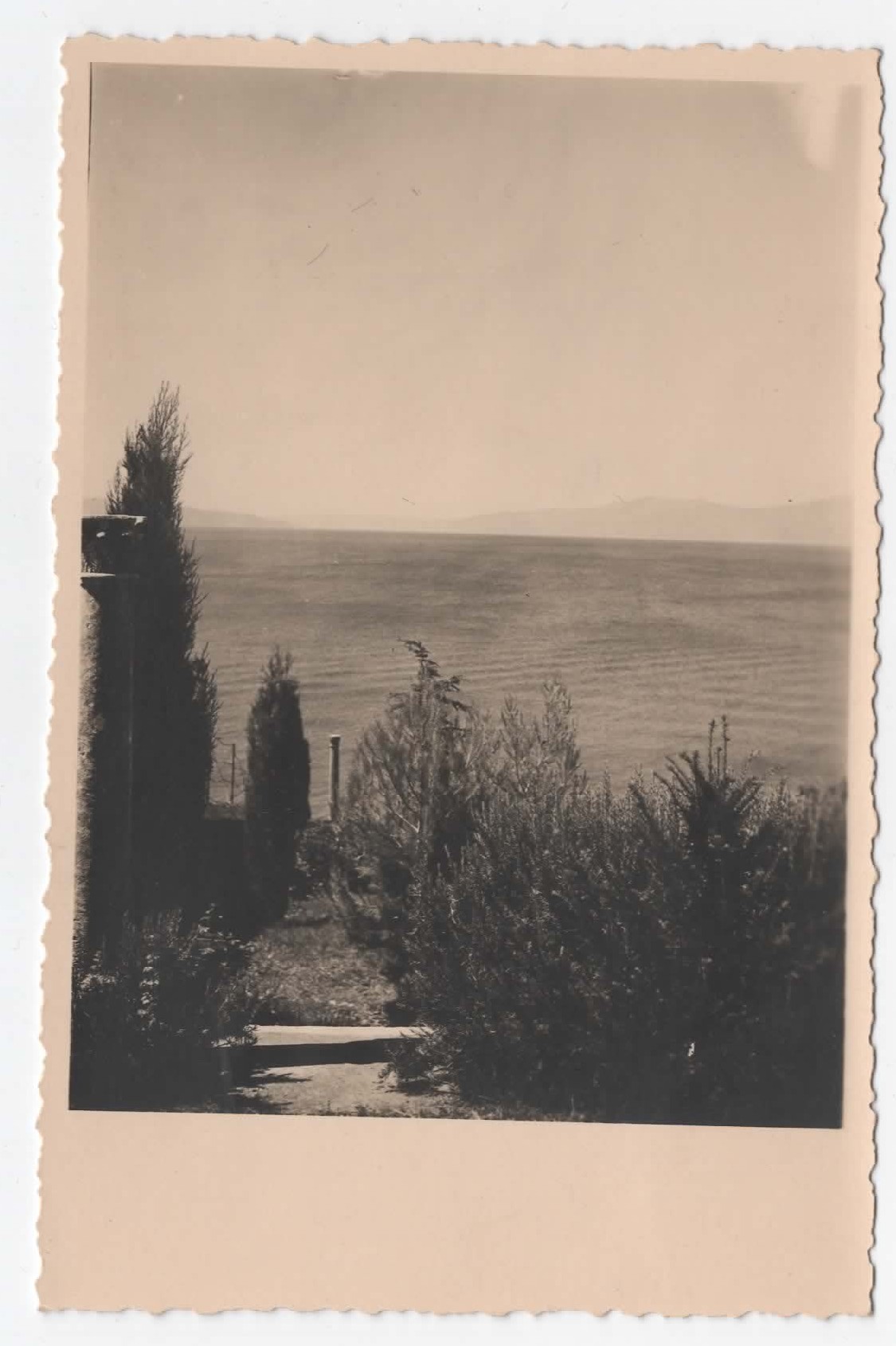
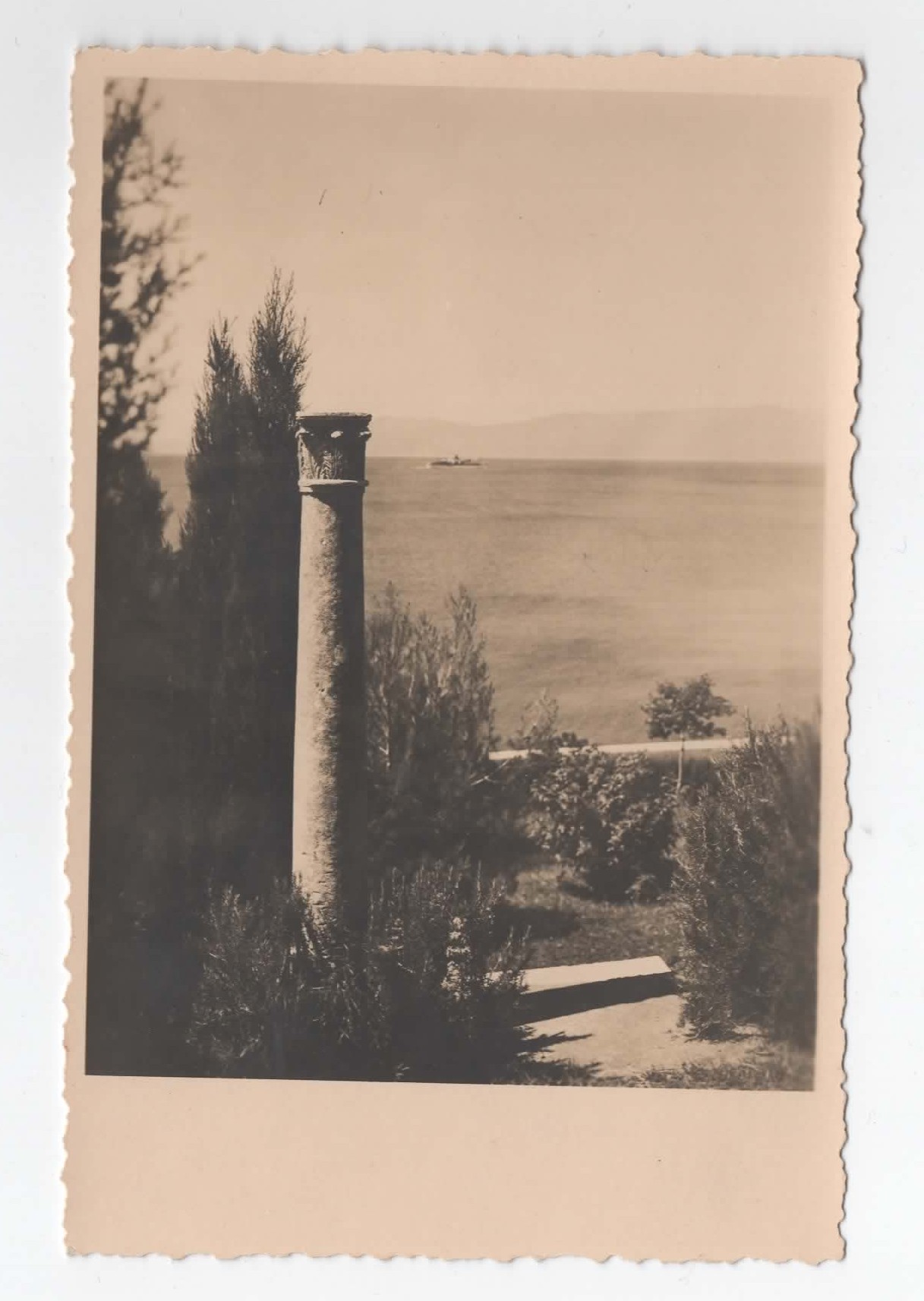
The Villa.

Architectural and Historical Heritage.

The Villa

A Secessionist masterpiece on the Kvarner Bay

This charming Secessionist villa, designed and built by the renowned Rijeka architect Giovanni Maria Curet in 1906, is an exceptional example of the residential architecture which reflected the prosperity and success of a ‘belle époque’ during the years of expansion of Sušak and Fiume (Rijeka).

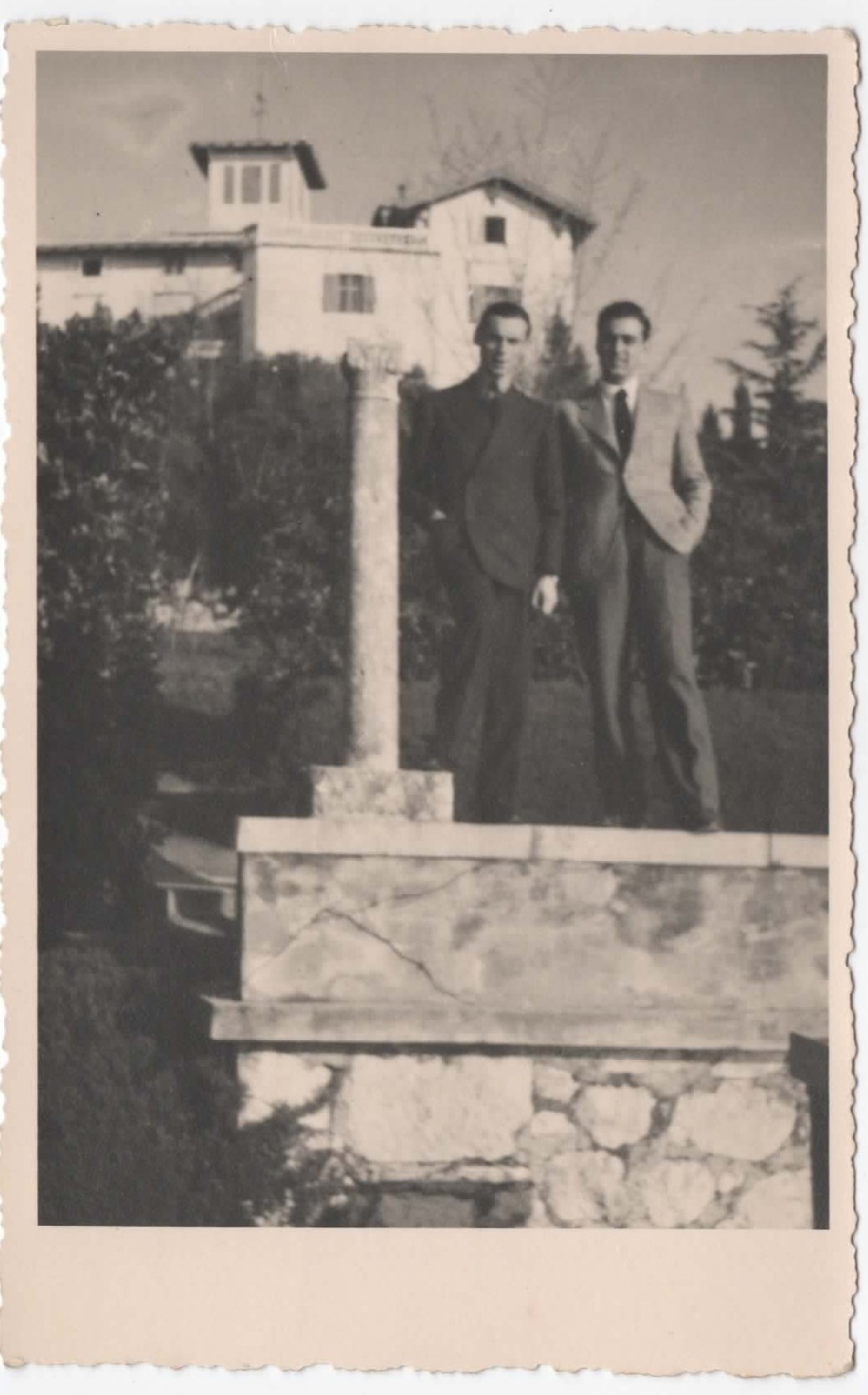
One of the house’s most striking features is its dominant central tower. The design of the house incorporates not only the decorative elements of the Viennese Secession, such as the window surrounds and wrought-iron, but also adopts an Italianate or even Eastern framework of large balconies and terraces which, along with the tower, ventilate and cool. Internally, handsome tiled stoves, parquet and terrazzo floors, opaquely glazed double doors, manifest an attention to the vagaries of both the very hot summers and the ‘Bura’ (Bora wind) and rain of the winter.

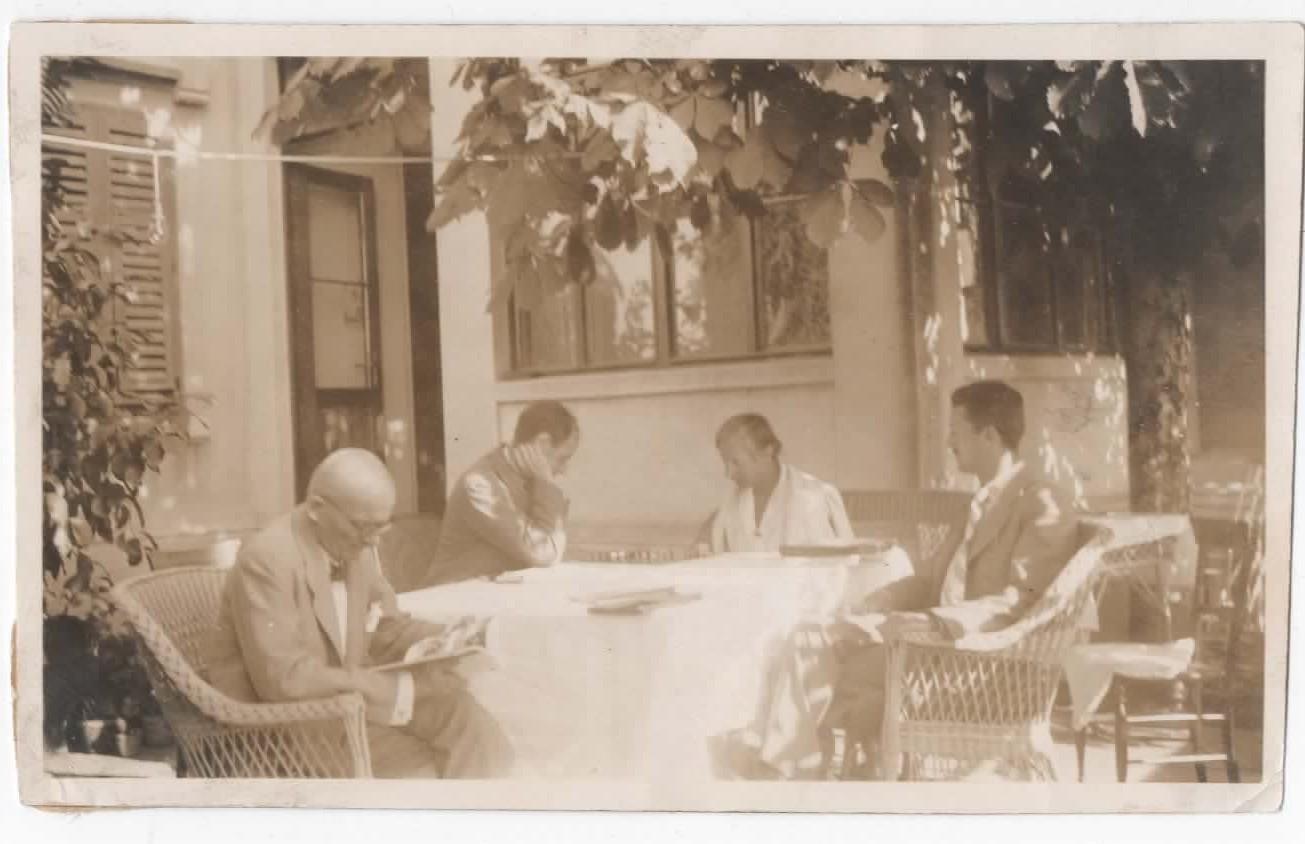
Significantly, the house has been lived in by the same Dworski-Ružić family for almost 100 years, during which time it has seen use as an apartment building, a family home and an honorary Polish Consulate (the only one, to date, in the region).

Through both luck and circumstance, Villa Dworski retains almost all its original features, having avoided all ‘modernisation’ up to the present day. A rare treasure for historians of architecture and culture alike.
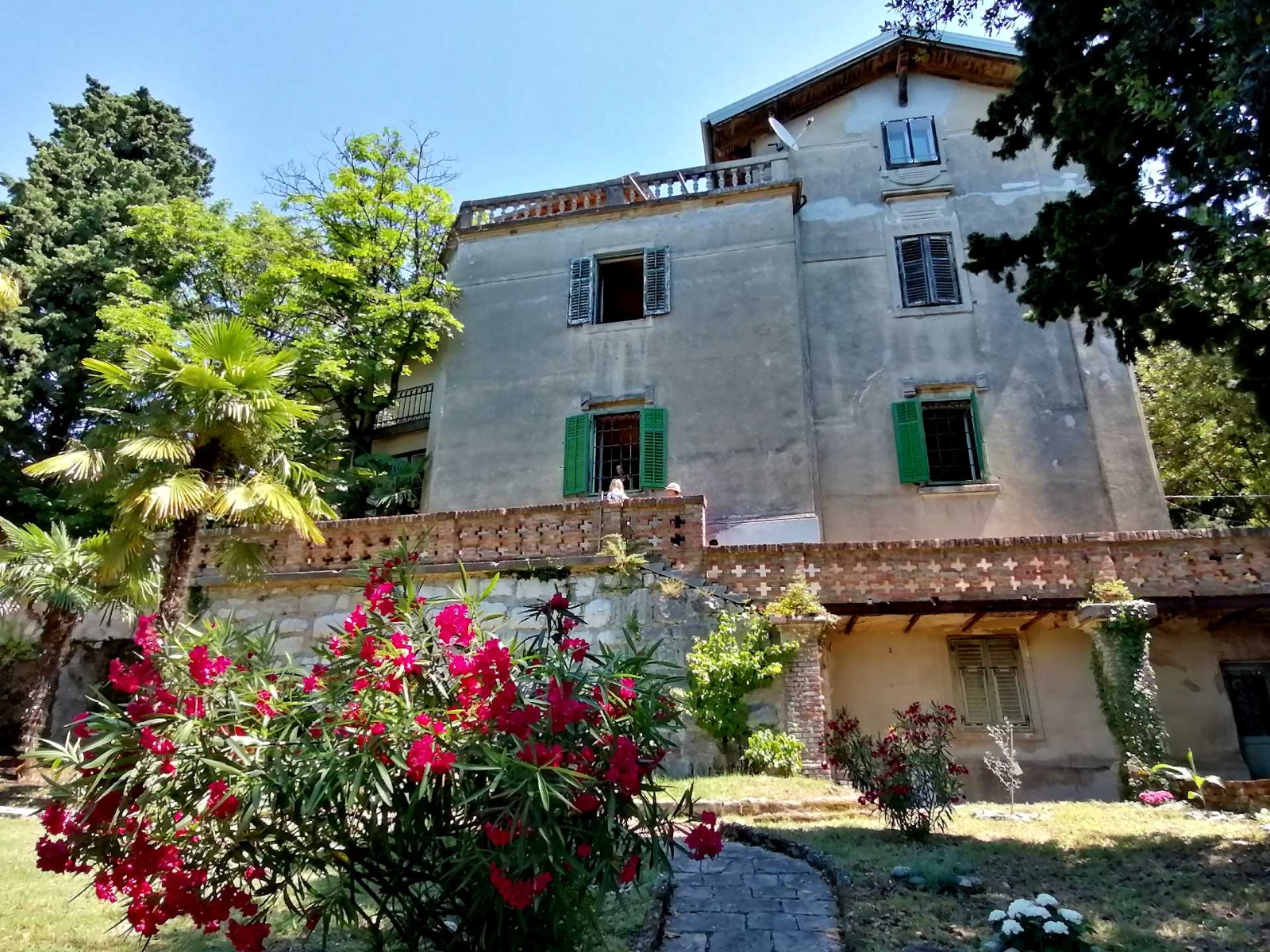
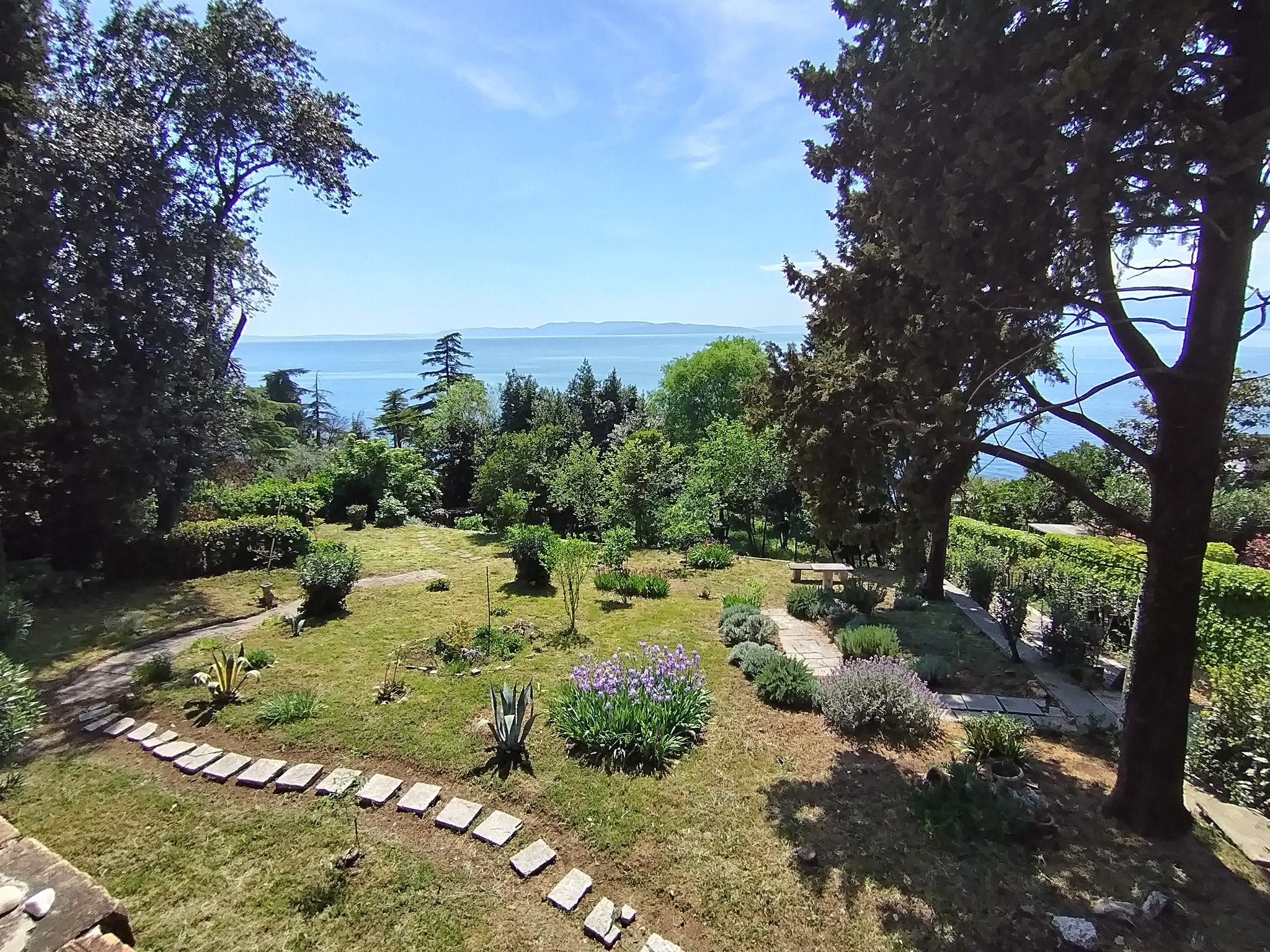
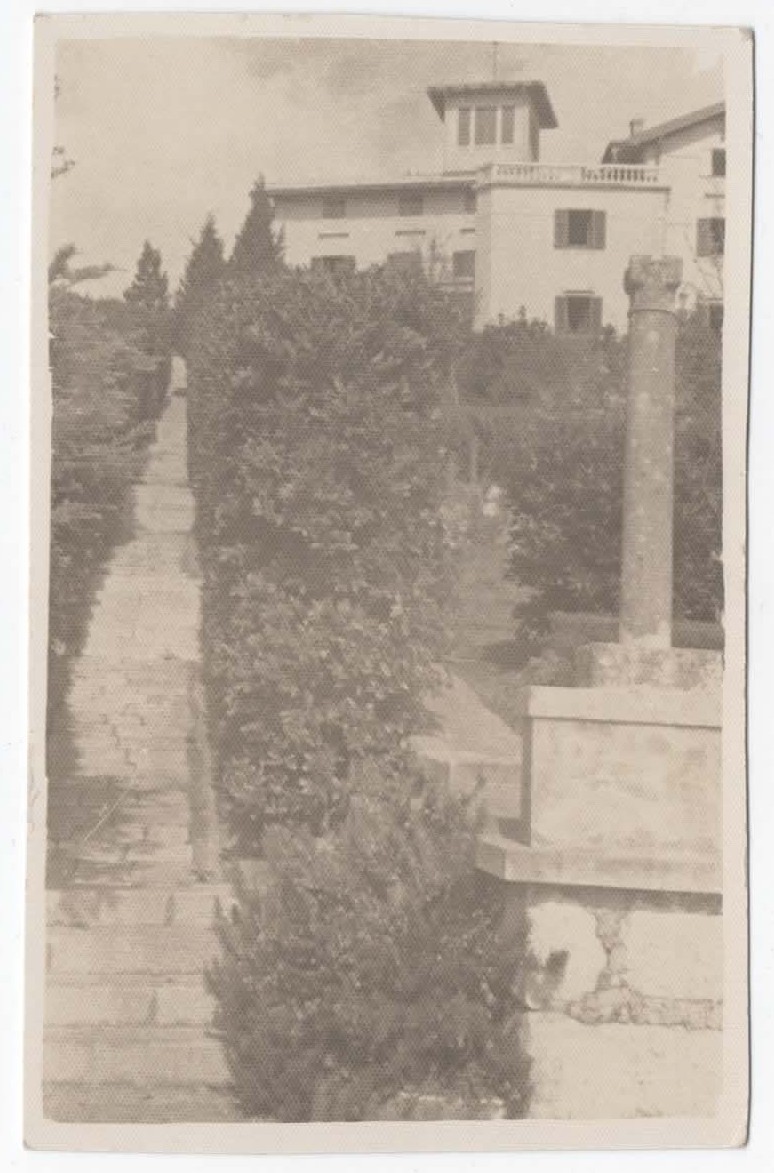
Villa Dworski from the garden

The Garden

A Mediterranean paradise overlooking the sea

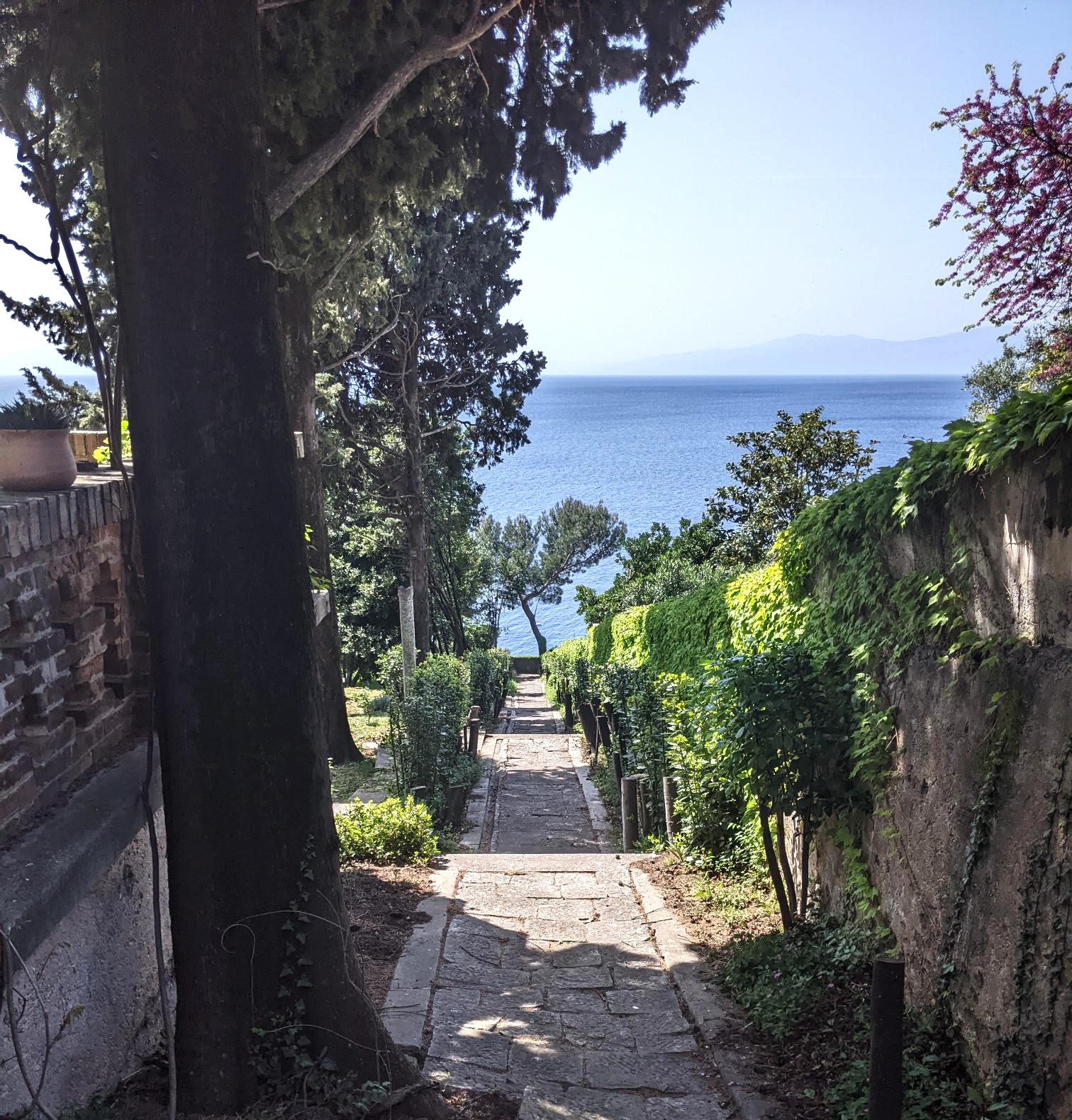
First designed in 1930 by Rijeka and Sušak’s foremost horticulturalist and landscape architect Josip Kulfanek. The garden is made up of three large terraces bordered by an elegant stepped pathway and slopes down to the sea.

Historic Design

Historic Design

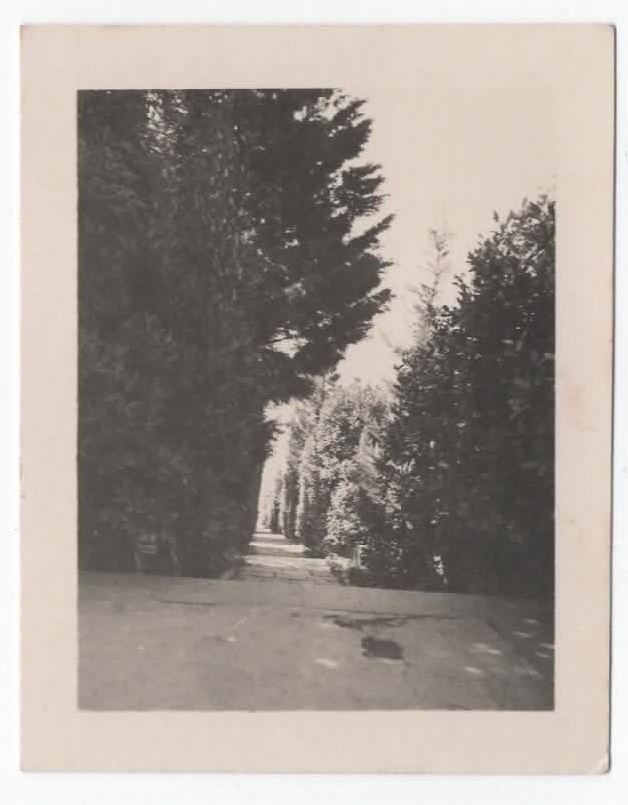
The garden layout preserves its original early 20th century design, blending innovative structures with traditional northern Adriatic planting and native growth.

Native Flora

Native Flora

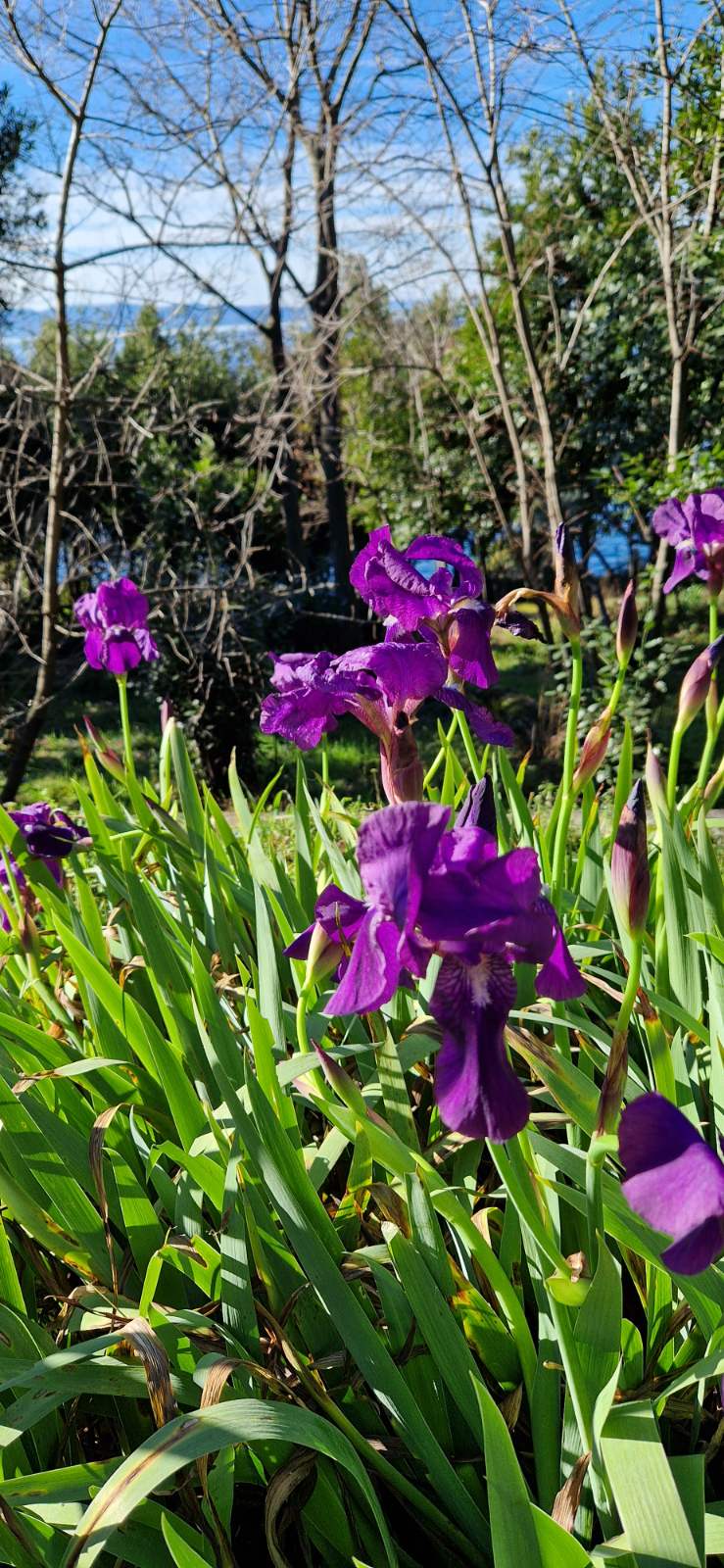
Naturally, in our garden, we are proud of our endemic purple irises: the ‘Jadranske Perunike’ which greet us every year. Many other perennials, shrubs and trees thrive in this classic villa parkland: laurel and rosemary abound as well as sage and lavender. Shady horse-chestnuts shade the house and main terrace, while bougainvillea, wisteria and roses climb the villa’s steep garden walls.

Elegant Stepped Pathway

Elegant Stepped Pathway

The original paved pathway with its graduated steps, bordered here and there by Greek columns, leads directly to the sea. Elsewhere, small paths and stepping stones lead seawards or to shady stone seats. The paths are delineated by pebble-topped small walls, a salient feature of Kulfanek’s design.

Panoramic Sea Views

Panoramic Sea Views

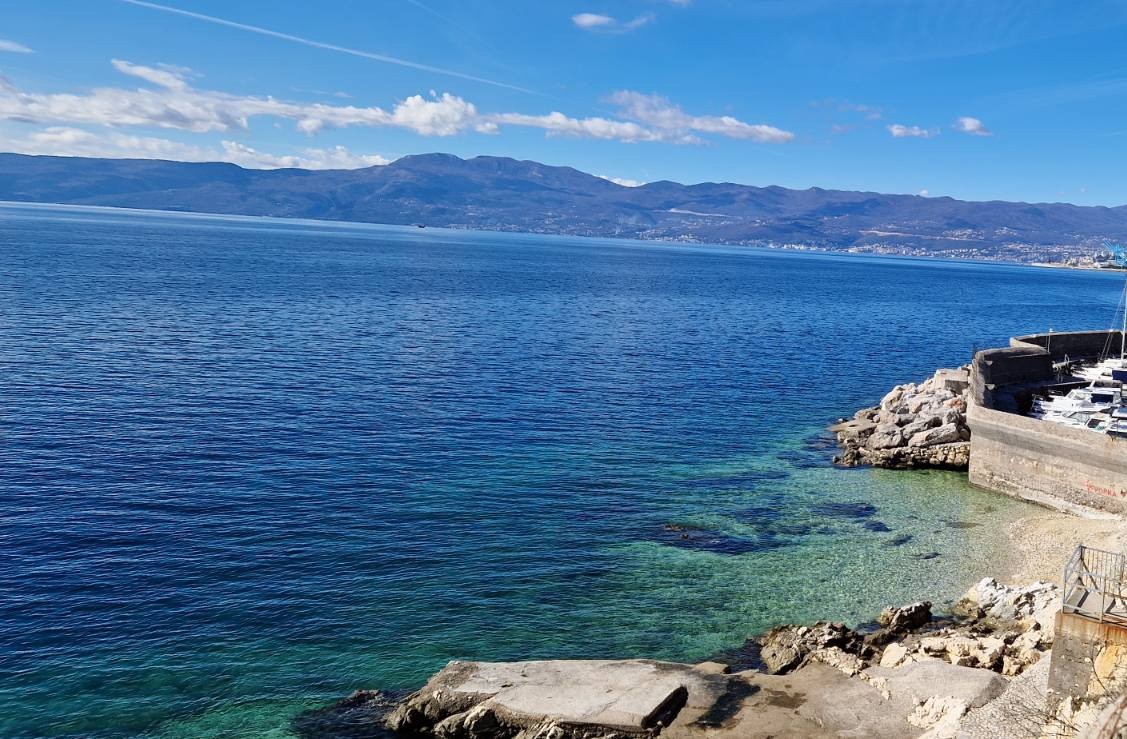
From the terraced gardens, panoramic views can be enjoyed across the Kvarner Bay to the islands of Krk, Lošinj and Cres as well as the Učka massif which shelters the Istrian peninsula.

The Significance of Villa Dworski

A preserved testament to time

Architecturally, Villa Dworski is a lovely example of early 20th century residential building in the area. With decorative elements and the design of its wrought-iron work owing much to the Vienna Secession, the building is very much adapted to its location on the Adriatic sea. The balconies and terraces and the striking tower on top recall both Italian and Eastern architecture.

There are many such beautiful houses fronting the Kvarner Bay, but what is particularly important about Villa Dworski is the fact that almost nothing has changed, from brass door handles to window catches to tiled stoves and roof tiles, from parquet floors to louvered green shutters. Time has stood still through both luck and circumstance. All is original.